The modern football media landscape frequently prioritizes manufactured outrage and misleading narratives over substantive reporting. Several recent examples illustrate this troubling trend, highlighting the need for more responsible journalism.
The “Arteta Rule”: A Dubious Creation
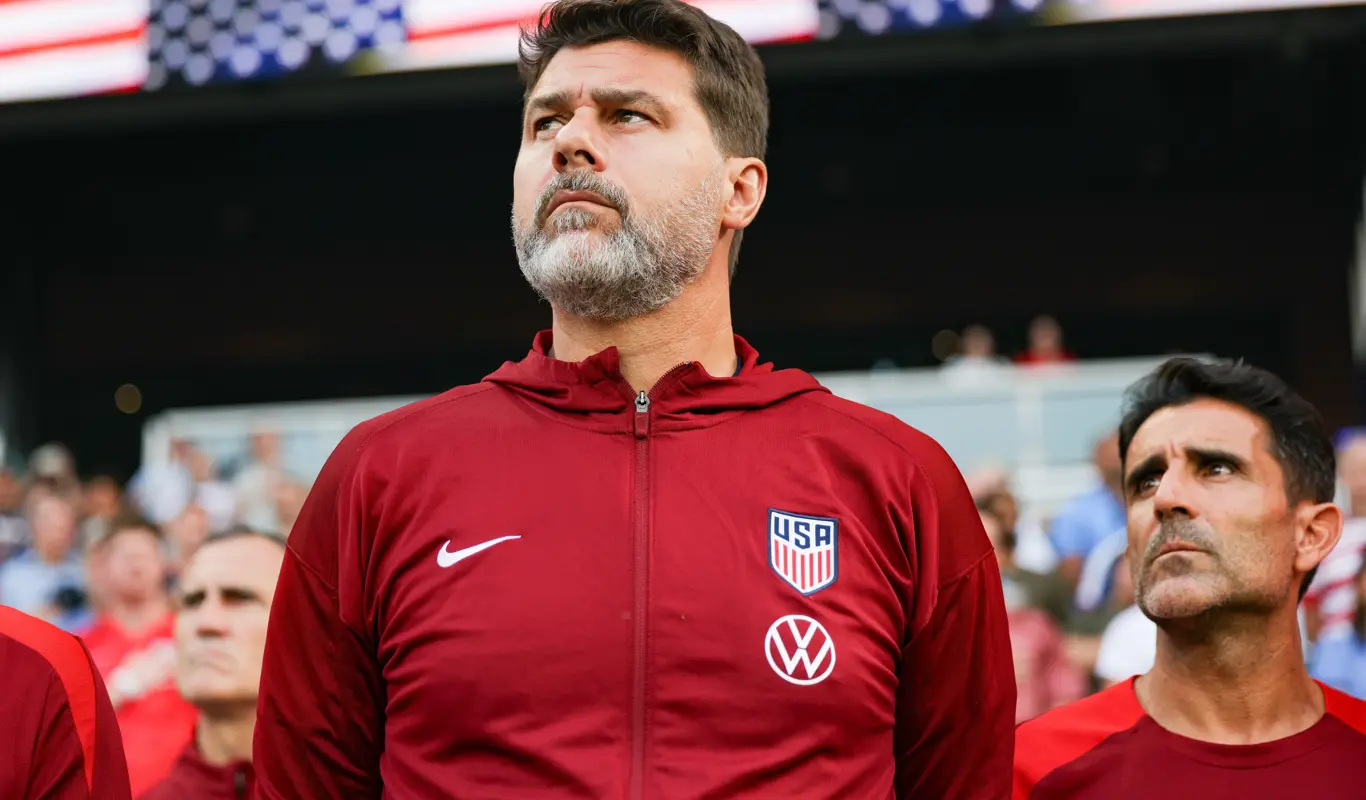
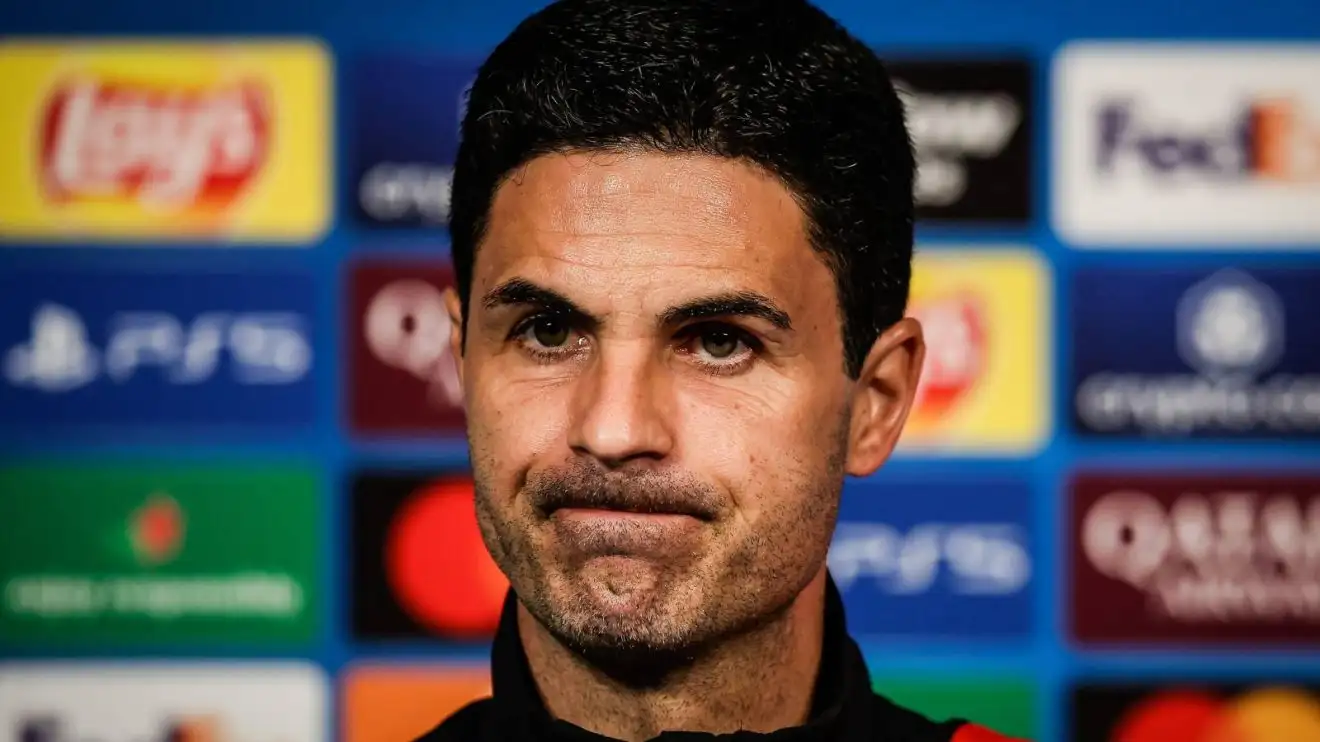
Ahead of the expanded FIFA Club World Cup, a prominent UK tabloid introduced the concept of the “so-called ‘Arteta rule'”. This supposedly referred to a new regulation limiting punishment to an indirect free-kick when coaches or substitutes accidentally touch the ball before it goes out of play. However, this terminology appears entirely invented by the specific reporter, lacking any corroboration from FIFA, IFAB, or other credible sources. Naming a universal rule change after a single manager involved in an isolated incident seems illogical and sensationalist. The motivation appears transparent: to generate clicks by associating the tournament with Arsenal, a major Premier League club absent from the competition, thereby artificially inflating interest. This tactic exemplifies the media’s tendency to fabricate controversy where none exists.
Inflating Player Performances
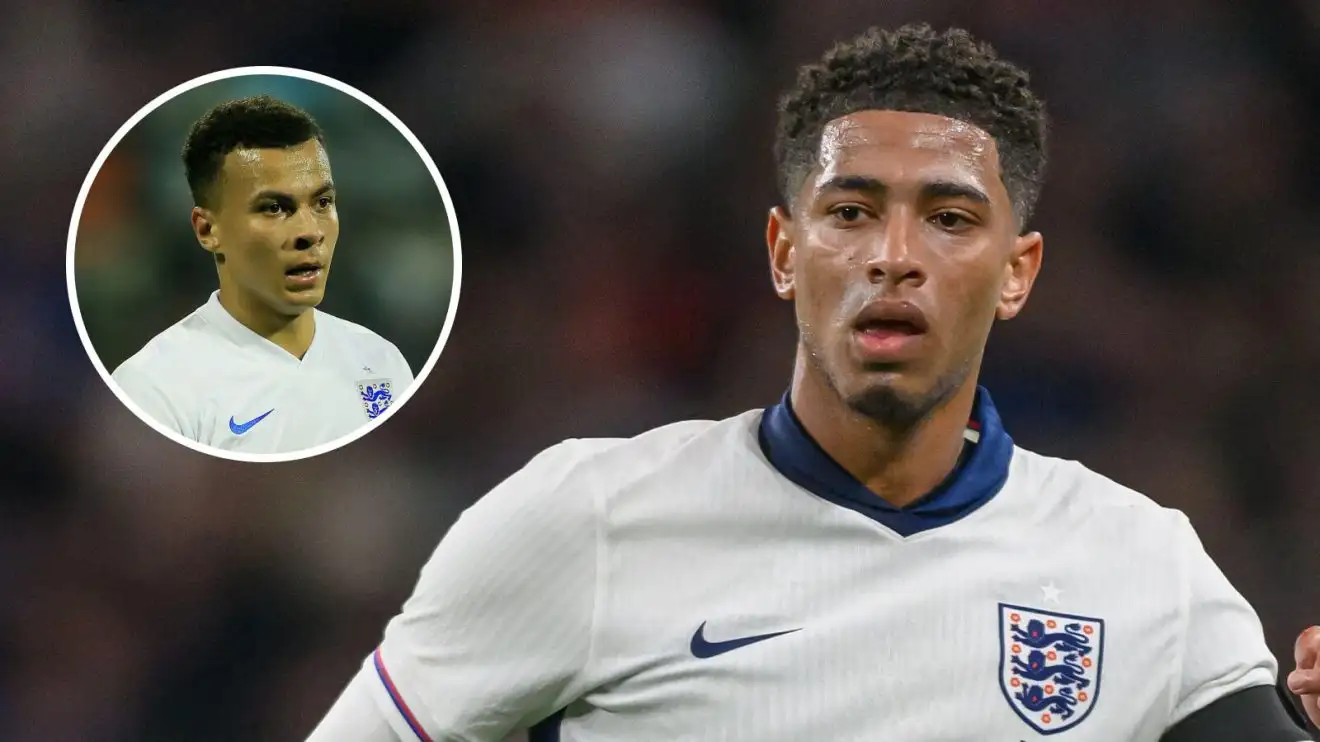
Similar exaggeration permeates player coverage. Headlines proclaimed a young midfielder “dropped a hint” to his new club manager during an international fixture, implying a significant statement. Yet, the actual match report quickly downgraded this to the player merely “reminding” or “showing” his capabilities. Scoring an unmarked goal from close range against a disorganized defence hardly constitutes a revelatory performance likely unknown to his club management. Such hyperbole transforms routine events into manufactured narratives, diminishing genuine achievements.
Questionable Managerial Criticism
While debating the merits of managerial appointments is valid, the criteria used can be perplexing. Criticizing a manager for lacking a “track record of delivering major honours” becomes meaningless when applied to someone whose entire senior management career comprises a brief stint at a mid-table Danish club and an extended period building a competitive Premier League side from the Championship with Brentford. Expecting major trophies from such a specific career path misrepresents his actual achievements and context, substituting reasoned analysis for superficial critique.
Manufactured Club “Wrath”
Player loyalty statements are another frequent trigger for sensationalism. A defender’s nostalgic comment about valuing a potential past Europa League win with Tottenham over one of his multiple Premier League titles prompted headlines warning of imminent “wrath” from his current club and manager. This ignores the well-documented context of his anticipated summer departure and the professional reality that clubs rarely react emotionally to such benign, personal reflections. Portraying routine player sentiment as a potential crisis point is baseless drama creation.
The Clickbait “Eight-Word Message”
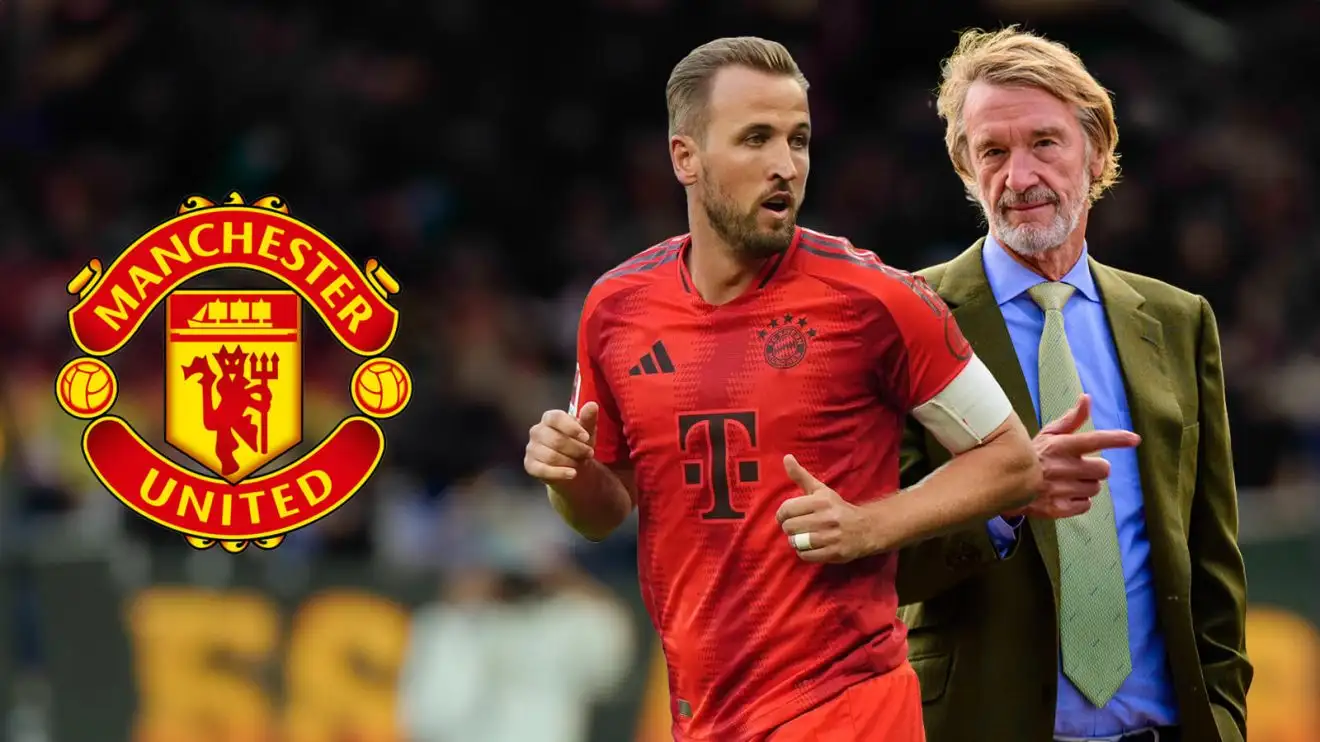
Transfer announcements also fall prey to distortion. Coverage of a forward’s move to Manchester United bizarrely focused on an “eight-word message,” implying a terse or significant statement. The reality was vastly different: the player gave extensive interviews expressing his enthusiasm. The “eight words” were simply an Instagram caption – “It’s all about you following your dreams!” – which was also misquoted and miscounted. Elevating a generic social media post to headline status exemplifies prioritizing triviality over genuine transfer insight.
Intrusive Personal Speculation
The nadir of irrelevant sensationalism involves intrusive personal coverage. Reporting on a football legend’s personal life, post-divorce, under a headline emphasizing his age, his companion’s age, his “FIFTH divorce” in capitals, and using scare quotes around “girlfriend” without attribution, serves no public interest. The claim they were “repeatedly pictured together” was supported by just three instances. This represents a clear overstep into prurient speculation, detached from footballing matters.
Conclusion
These examples underscore a pervasive issue: the football media often sacrifices accuracy, context, and relevance for the sake of generating controversy, outrage, or clicks. Fabricating rules, exaggerating performances, applying illogical criticism, inventing club friction, misrepresenting social media, and intruding into personal lives erode journalistic credibility. Supporters deserve coverage focused on genuine analysis, factual reporting, and respect for the sport’s participants, moving beyond the constant churn of manufactured narratives and sensationalist headlines. The pursuit of engagement should not come at the cost of integrity and substance.